
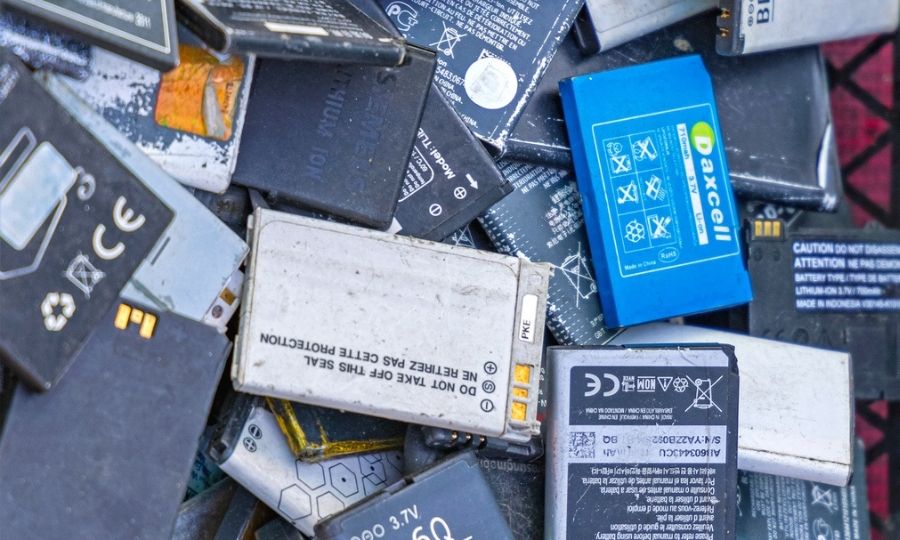
Lithium-ion batteries power many of the devices we rely on every day, from smartphones and laptops to power tools, e-bikes, electric vehicles, and battery energy storage systems.
While these batteries are widely used, failures involving overheating or damage can create fire hazards that require special attention. And those concerns don’t necessarily end when the visible flames disappear.
Understanding lithium-ion battery fire behavior, hazardous gases, potential contamination, and post-fire safety considerations is important for first responders, property owners, facility managers, and anyone responsible for environments where these batteries are used or stored.
What Makes Lithium-Ion Battery Fires Different?
One of the most important concepts in lithium-ion battery fire safety is thermal runaway.
Thermal runaway occurs when a battery cell enters a self-heating process that can lead to rapidly increasing temperatures, the release of flammable gases, and potentially fire. Under certain conditions, heat from one failing cell can affect neighboring cells and contribute to a larger incident.
The risks vary depending on battery chemistry, size, state of charge, physical condition, and surrounding environment.
A damaged smartphone battery, an electric bicycle battery, and a large battery energy storage system do not present identical hazards. However, understanding how lithium-ion batteries behave when they fail is essential to recognizing why these incidents may require different response considerations.
What Hazards Can Lithium-Ion Battery Fires Produce?
Visible flames are only one part of a lithium-ion battery fire incident.
Depending on the battery chemistry, materials involved, and conditions of the fire, an incident can involve hazardous gases, smoke, airborne particulates, and contaminated debris.
Hazardous Gases and Off-Gassing
A lithium-ion battery experiencing thermal runaway may release flammable and potentially toxic gases.
Certain battery fire conditions can produce hydrogen fluoride, a hazardous substance that presents serious exposure concerns. Other gases and compounds may also be present, depending on the materials involved and how the incident develops.
These hazards make smoke and gas exposure important considerations for emergency responders and anyone near a battery incident.
Heavy Metals and Contaminated Materials
Lithium-ion batteries contain a range of materials, which may include metals such as nickel, cobalt, and manganese, depending on the battery chemistry.
Following a battery fire, damaged cells, debris, residues, and other fire-affected materials may require specialized assessment and handling.
The presence and concentration of specific contaminants cannot be assumed to be identical across every incident. Battery chemistry, fire conditions, materials involved, and the surrounding environment all influence the potential hazards.
Flammable Gas Accumulation
In certain enclosed environments, gases released during thermal runaway can accumulate and create additional fire or explosion hazards.
Research involving residential battery energy storage systems has demonstrated why responders must consider gas production, ventilation conditions, and the potential for rapid changes in incident conditions.
These considerations are particularly important when battery systems are installed in garages, utility rooms, equipment enclosures, or other confined spaces.
Why Does the Aftermath of a Battery Fire Matter?
A reduction in visible flames does not necessarily mean the incident is over.
Damaged batteries may retain stored energy, creating concerns about delayed ignition or re-ignition. Fire-affected materials may also present contamination or exposure hazards that require further assessment.
For emergency personnel, the response may involve continued monitoring, incident stabilization, and appropriate handling of damaged battery materials.
For homeowners and facility managers, the aftermath can raise important questions about safe access, damaged equipment, contaminated surfaces, and appropriate disposal.
The correct approach depends on the incident. There is no single cleanup or recovery procedure that applies to every lithium-ion battery fire.
What Should Homeowners and Organizations Know?
Preparation begins well before a battery failure or fire.
Homeowners, businesses, schools, healthcare organizations, and industrial facilities can benefit from understanding where lithium-ion batteries are used, charged, and stored within their environments.
Important considerations include recognizing damaged or overheating batteries, following manufacturer charging and storage instructions, maintaining emergency plans, and knowing when professional assistance is needed.
If a battery begins smoking, venting, or burning, avoid approaching or handling it, move to safety, and contact emergency services.
After an incident, do not assume damaged batteries or fire debris are safe to handle simply because visible flames are gone. Follow guidance from emergency responders and qualified professionals regarding reentry, assessment, and disposal.
Lithium-ion batteries also require appropriate end-of-life handling. The U.S. Environmental Protection Agency advises against placing lithium-ion batteries in household trash or ordinary recycling bins because damaged batteries can create fires during transport and processing.
Education Is an Important Part of Battery Fire Preparedness
As lithium-ion battery technology becomes more common, practical fire-safety education becomes increasingly valuable.
First responders need to understand incident-specific hazards and response considerations. Facility managers and organizational leaders need awareness of risks within their environments. Homeowners benefit from understanding warning signs and knowing when to seek assistance.
The goal isn’t to create unnecessary fear about technology used every day. It’s to help people better understand the risks, recognize potential hazards, and make informed safety decisions.
As Captain Richard Birt puts it: “Firefighters have the skills and equipment to handle this technology, they just desperately need the training.”
Join Us for Lithium-Ion Battery Fire Safety Training
Fire Suppression Solutions is helping sponsor a free, in-person Lithium-Ion Battery Fire Safety & Response Training led by retired Las Vegas Fire & Rescue Captain Richard Birt, founder of Solar and Fire Education (S.A.F.E.).
The six-hour training will explore lithium-ion battery fire behavior, emergency response considerations, hazardous gases, heavy metals, and post-fire contamination, followed by a question-and-answer session that includes discussion of Captain Birt’s testing involving fire suppression fluids.
Saturday, December 12, 2026
8:00 AM – 2:00 PM | Q&A to Follow
Slinger High School | Slinger, Wisconsin
Free to Attend | Lunch Provided
Registration closes December 4, 2026.